
Deep Roots: Policy and Pollinators
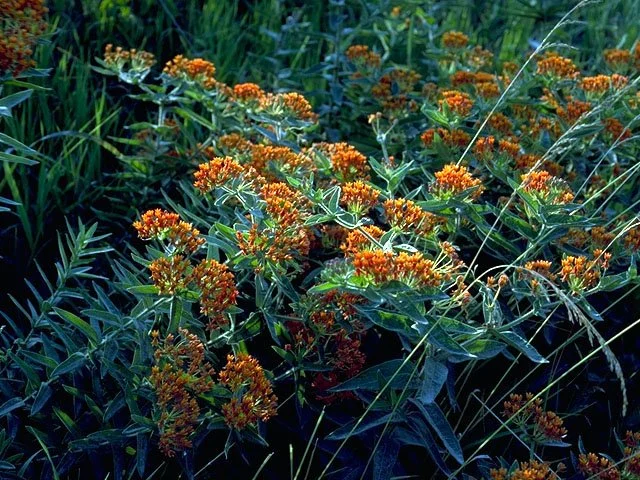
Moving beyond turf to design landscapes that actually live
For the better part of a century, the American landscape has been held hostage by a singular, emerald ideal: the manicured lawn. A monolithic expanse coaxed into submission through a relentless, carbon-heavy choreography of mowers, trimmers, and chemical inputs—a triumph of control over context. But as the environmental toll of this ubiquitous turf becomes impossible to ignore, a quieter, wilder alternative has taken root. Driven by clients who are increasingly willing to trade the sterile aesthetic of a putting green for the adaptive intelligence of indigenous flora, landscapes are being reimagined to demand less of our aquifers and fossil fuels.
This transition is gathering momentum far outside the offices of design firms; it is spilling, inevitably, into the halls of local and state government. Municipalities are realizing long-term performance benefits. In Jersey City, for instance, recent ordinances have thrown a protective arm around homeowners who choose to defy the turf-heavy mandates of their Homeowner Associations—a quiet, bureaucratic rebellion against the long-standing suburban expectation of the perfectly homogenous front yard. At the state level, lawmakers in New York and Pennsylvania are presently drafting legislation that would require public projects to embrace native plant palettes, effectively prioritizing the complex hum of pollinator habitats over the deafening drone of the riding mower. These civic shifts reflect a profound evolution in what, exactly, we expect a piece of land to do.
The appeal of native planting, however, extends well beyond a pragmatic reduction in landscaping bills; these plants are the gears of an intricate ecological machinery. Beneath the soil, where conventional turf grasses manage only a few fragile inches of penetration, the roots of native perennials plunge deeply—sometimes several feet down—fracturing compacted earth, anchoring the topsoil, and drinking up stormwater that would otherwise overwhelm municipal drains. Above ground, they offer a dynamic theater of seasonal decay and rebirth, a rhythmic variation that invites biodiversity and fortifies the landscape against the whims of a volatile, changing climate. For landscape architects, the task is to design a living, self-regulating system that collaborates with natural processes rather than attempting, futilely, to suppress them.
As policy, environmental urgency, and shifting aesthetic sensibilities converge, native planting has transcended its status as a niche ecological crusade to become a foundational tenet of contemporary design. This evolution does not necessitate the abandonment of structure or design intent, but rather demands a more nuanced, sophisticated understanding of how a landscape breathes over time. The result is an entirely different kind of space—one that is dynamic, ecologically responsive, and, at long last, deeply grounded in the reality of the soil itself. We are moving toward a new vernacular of the outdoors, shifting our collective gaze past mere appearance to embrace an ethos of resilience and environmental connection.